New Jersey Tea Shrub: The Droughttolerant Beauty That's Easy To Grow
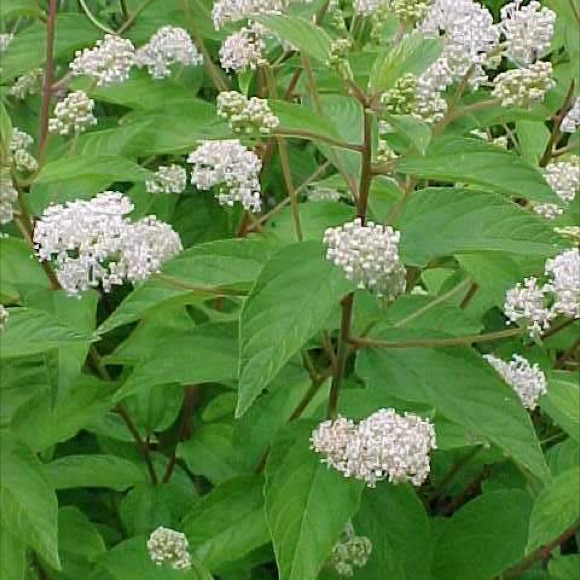
New Jersey tea shrub (Ceanothus americanus) is a native North American plant that is known for its drought tolerance and easy care. It is a low-growing shrub that typically reaches heights of 3-4 feet, with a spreading habit. The leaves are glossy green and oval-shaped, and the flowers are small and white, clustered in small, round heads. New Jersey tea blooms in early summer, and the flowers have a sweet, honey-like fragrance.
New Jersey tea is a hardy plant that can tolerate a wide range of conditions. It is drought tolerant once established, and it can also tolerate heat, poor soil, and pollution. New Jersey tea is a good choice for gardeners who live in areas with hot, dry summers. It is also a good choice for gardeners who are looking for a low-maintenance plant.
New Jersey tea is a popular choice for use in gardens, and it can be used in a variety of ways. It can be planted as a standalone shrub, or it can be used to create a hedge or border. New Jersey tea is also a good choice for planting in rock gardens or in areas with poor soil.
In addition to its beauty, New Jersey tea also has some potential health benefits. The leaves of the plant can be used to make a tea that has been used to treat a variety of ailments, including colds, coughs, and fevers. The tea has also been used to treat gonorrhea and syphilis.
Main Content
Planting New Jersey Tea Shrub
New Jersey tea is a relatively easy plant to grow. It can be planted in the spring or fall, in a location that receives full sun to partial shade. The soil should be well-drained, and it is a good idea to add some compost or other organic matter to the soil before planting.
New Jersey tea shrubs should be spaced about 3 feet apart. After planting, water the shrub well and mulch around the base to help retain moisture.
Caring for New Jersey Tea Shrub
New Jersey tea is a low-maintenance plant. Once established, it requires little water. Water the shrub deeply during dry periods, but do not overwater.
New Jersey tea does not need to be fertilized often. A light application of fertilizer in the spring will help the shrub to bloom.
New Jersey tea shrubs do not require pruning. However, you may want to remove any dead or diseased branches in the spring.
Propagating New Jersey Tea Shrub
New Jersey tea can be propagated from seed or cuttings.
To propagate from seed, sow the seeds in the spring in a well-drained potting mix. Keep the soil moist, and the seeds should germinate in about 2-4 weeks.
To propagate from cuttings, take 4-6 inch cuttings from healthy stems in the spring or summer. Remove the lower leaves from the cuttings, and dip them in rooting hormone. Plant the cuttings in a well-drained potting mix, and keep the soil moist. The cuttings should root in about 4-6 weeks.
Pests and Diseases
New Jersey tea is a relatively pest- and disease-free plant. However, it may be susceptible to scale insects, spider mites, and powdery mildew. If you notice any pests or diseases on your New Jersey tea shrub, treat them immediately with an appropriate insecticide or fungicide.
Conclusion
New Jersey tea shrub is a beautiful, drought-tolerant plant that is easy to grow. It is a good choice for gardeners who live in hot, dry climates, and it can be used in a variety of ways in the garden. If you are looking for a low-maintenance, low-water plant that will add beauty to your garden, New Jersey tea is a great option.
New Jersey tea shrub (Ceanothus americanus) is a native North American plant that is known for its drought tolerance and attractive white flowers. It is a low-growing shrub that typically reaches heights of 3-5 feet, and it has a spreading, mounding habit. The leaves are glossy and oval-shaped, and they have a grayish cast due to the fine hairs that cover them. The flowers are small and white, and they are clustered together in small, terminal panicles. The flowers bloom in late spring or early summer, and they have a sweet, honey-like fragrance.
New Jersey tea shrub is a relatively easy plant to care for. It prefers full sun and well-drained soil. It is drought tolerant once established, but it will benefit from regular watering during the first year or two after planting. New Jersey tea shrub is also a good choice for areas with poor soil, as it is able to tolerate a wide range of soil conditions.
If you are looking for a drought-tolerant, low-maintenance shrub for your garden, New Jersey tea shrub is a great option. It is also a beautiful plant, and its white flowers will add a touch of elegance to your landscape. For more information about New Jersey tea shrub, please visit Garden Wiki.
FAQ of new jersey tea shrub
- What is New Jersey tea shrub?
New Jersey tea shrub (Ceanothus americanus) is a native North American shrub that is known for its small, white flowers and caffeine-free tea. It is a low-maintenance plant that can tolerate a variety of soil conditions and is resistant to deer and rabbits. New Jersey tea shrub is a popular choice for landscaping, as it can be used as a groundcover, border plant, or specimen shrub.
- How do I grow New Jersey tea shrub?
New Jersey tea shrub is relatively easy to grow. It prefers full sun but can tolerate part shade. It is also drought-tolerant and can grow in poor soil. To plant a New Jersey tea shrub, dig a hole that is twice as wide as the root ball. Backfill the hole with soil and water the plant well. New Jersey tea shrub does not require a lot of fertilizer, but you can fertilize it once a year in the spring with a balanced fertilizer.
- How do I care for New Jersey tea shrub?
New Jersey tea shrub is a low-maintenance plant that does not require a lot of care. Water it regularly during the first year after planting, but once it is established, it can tolerate drought. You can prune New Jersey tea shrub in the spring to remove dead or damaged branches. It is also a good idea to prune it after it blooms to encourage new growth.
- What are the benefits of New Jersey tea shrub?
New Jersey tea shrub is a beautiful and versatile plant that offers a number of benefits. It is drought-tolerant and can thrive in poor soil. It is also resistant to deer and rabbits, making it a good choice for landscaping in areas where these animals are a problem. New Jersey tea shrub is also a good source of nectar for butterflies and other pollinators.
- Where can I buy New Jersey tea shrub?
New Jersey tea shrub is available at most garden centers and online retailers. When choosing a New Jersey tea shrub, look for a plant that is healthy and has no signs of pests or diseases.
Image of new jersey tea shrub
Here are 5 different images of "New Jersey tea shrub" from Pinterest:
- Image 1: A close-up of the leaves of a New Jersey tea shrub. The leaves are small and oval-shaped, with a serrated edge. They are a bright green color.
- Image 2: A full-grown New Jersey tea shrub. The shrub is about 6 feet tall and has a spreading habit. The branches are covered in small, green leaves.
- Image 3: A New Jersey tea shrub in bloom. The shrub has small, white flowers that bloom in clusters. The flowers have a sweet fragrance.
- Image 4: A New Jersey tea shrub in autumn. The leaves of the shrub have turned a bright red color. The red leaves contrast with the green foliage of the surrounding trees.
- Image 5: A New Jersey tea shrub in winter. The leaves of the shrub have fallen off, leaving the bare branches exposed. The branches are a light brown color.

Post a Comment for "New Jersey Tea Shrub: The Droughttolerant Beauty That's Easy To Grow"