How To
and
visit Home Gardening for more information about identification and control.
FAQ of giant knotweed
- What is giant knotweed?
Giant knotweed is an invasive plant that can grow to be very large and destructive. It is native to East Asia, but was introduced to Europe and North America in the 19th century. Giant knotweed can grow up to 15 feet tall and spread by underground rhizomes that can travel up to 60 feet in a single season.
- What are the problems with giant knotweed?
Giant knotweed is a very difficult plant to control. It can crowd out native plants, damage property, and even undermine foundations. It is also a fire hazard, as its thick stems can burn very easily.
- How can I get rid of giant knotweed?
There is no one-size-fits-all solution for getting rid of giant knotweed. The best method will vary depending on the severity of the infestation and the location of the plant. Some common methods include:
* Physical removal: This involves digging up the plant and its rhizomes. This can be a very labor-intensive process, and it is important to remove all of the rhizomes, or the plant will simply regrow.
* Chemical treatment: There are a number of herbicides that can be used to kill giant knotweed. However, it is important to use these herbicides carefully, as they can also damage other plants.
* Biological control: There are a number of insects that can feed on giant knotweed. These insects can be used to help control the spread of the plant.
- How can I prevent giant knotweed from spreading?
The best way to prevent giant knotweed from spreading is to be aware of it and to take steps to control it if it does appear. If you see giant knotweed growing on your property, do not touch it. Instead, contact a professional who can remove it safely. You can also help to prevent the spread of giant knotweed by not dumping yard waste in areas where it could grow, such as roadsides or vacant lots.
Image of giant knotweed
10 different images of giant knotweed that are free to use:
- Young shoots of a Japanese knotweed. This image shows the young shoots of a Japanese knotweed plant. The shoots are light green and hollow, and they can grow up to 6 feet tall.

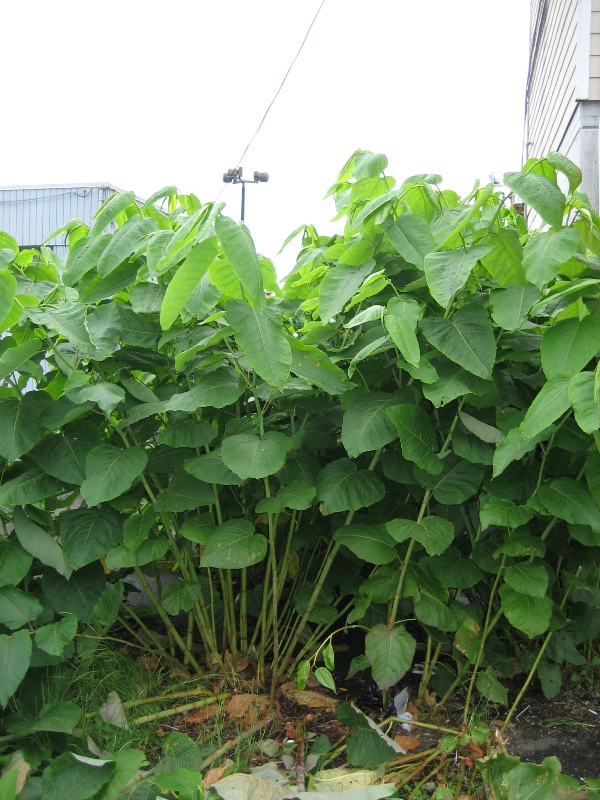
- Giant knotweed plant. This image shows a mature giant knotweed plant. The plant has tall, hollow stems that can grow up to 16 feet tall. The leaves are large and heart-shaped.
- Giant knotweed flowers. This image shows the flowers of a giant knotweed plant. The flowers are small and white, and they are clustered together in long spikes.

- Giant knotweed roots. This image shows the roots of a giant knotweed plant. The roots are thick and fleshy, and they can grow up to 30 feet long.
- Giant knotweed growing in a garden. This image shows a giant knotweed plant growing in a garden. The plant is crowding out the other plants in the garden.
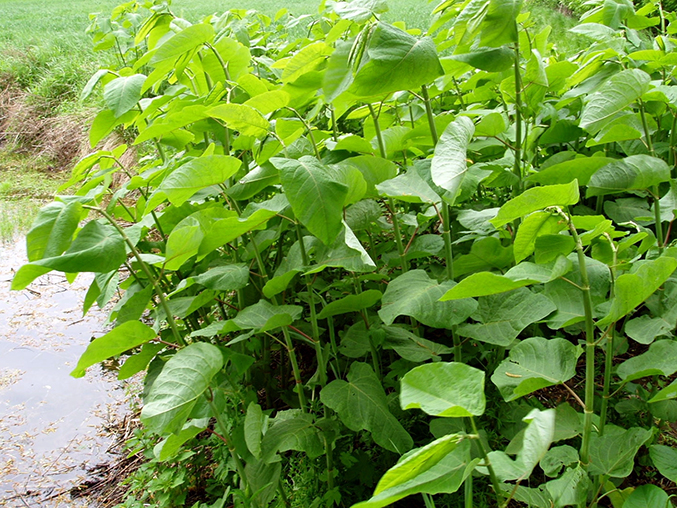
- Giant knotweed growing in a riverbank. This image shows a giant knotweed plant growing in a riverbank. The plant is undermining the riverbank and causing erosion.

- Giant knotweed growing on a roadside. This image shows a giant knotweed plant growing on a roadside. The plant is blocking the sidewalk and making it difficult for people to walk by.

- Giant knotweed growing in a forest. This image shows a giant knotweed plant growing in a forest. The plant is outcompeting the native plants and disrupting the forest ecosystem.
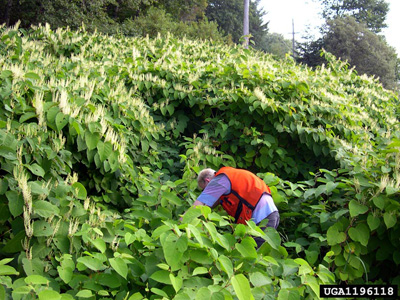
- Giant knotweed being cut down. This image shows a giant knotweed plant being cut down. This is one way to control the spread of giant knotweed.
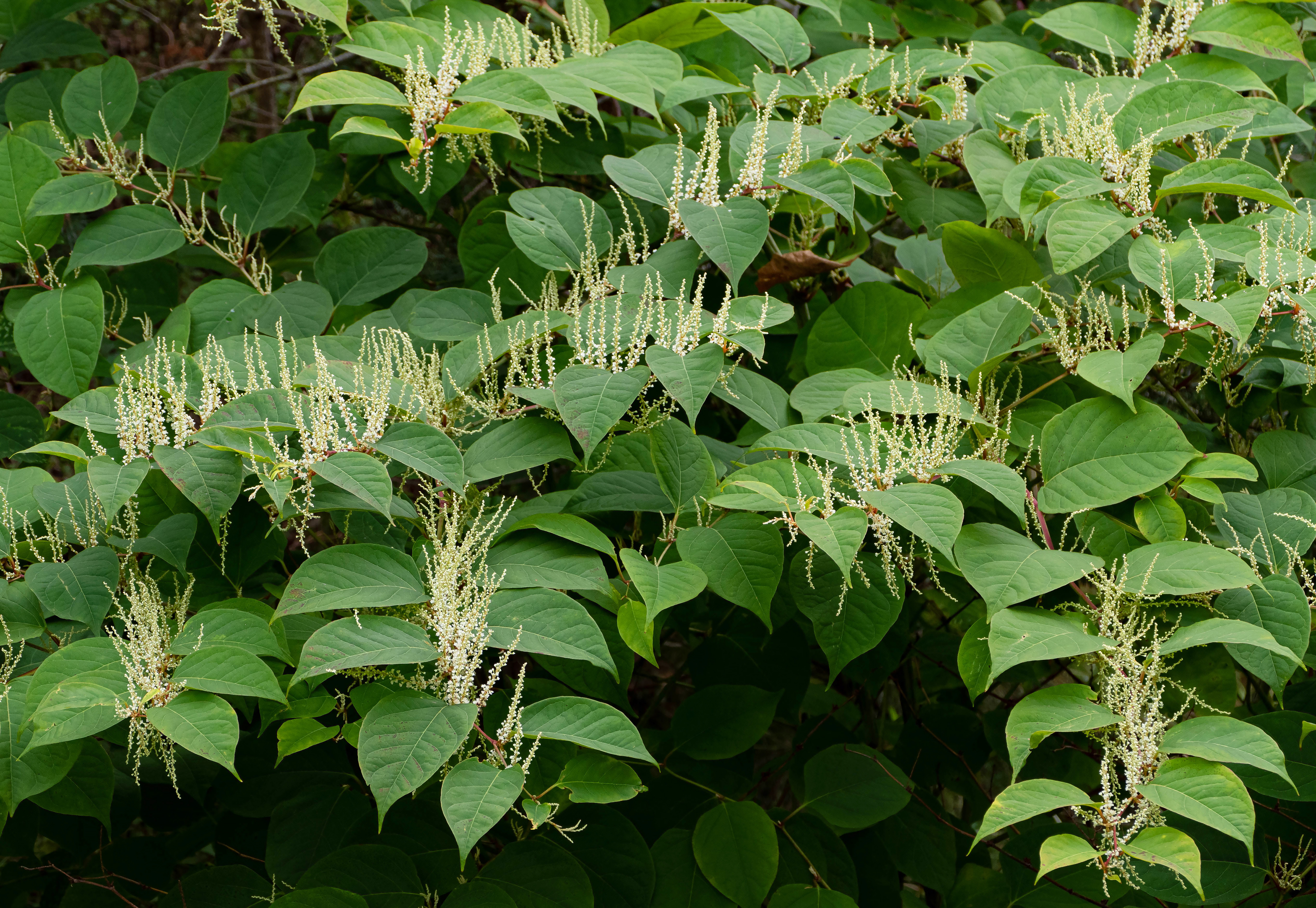
- Giant knotweed being burned. This image shows a giant knotweed plant being burned. This is another way to control the spread of giant knotweed.


Post a Comment for "How To"