How To Grow Hydrangea Macrophylla Blue Wave For Stunning Blooms
How to Grow Hydrangea Macrophylla Blue Wave for Stunning Blooms
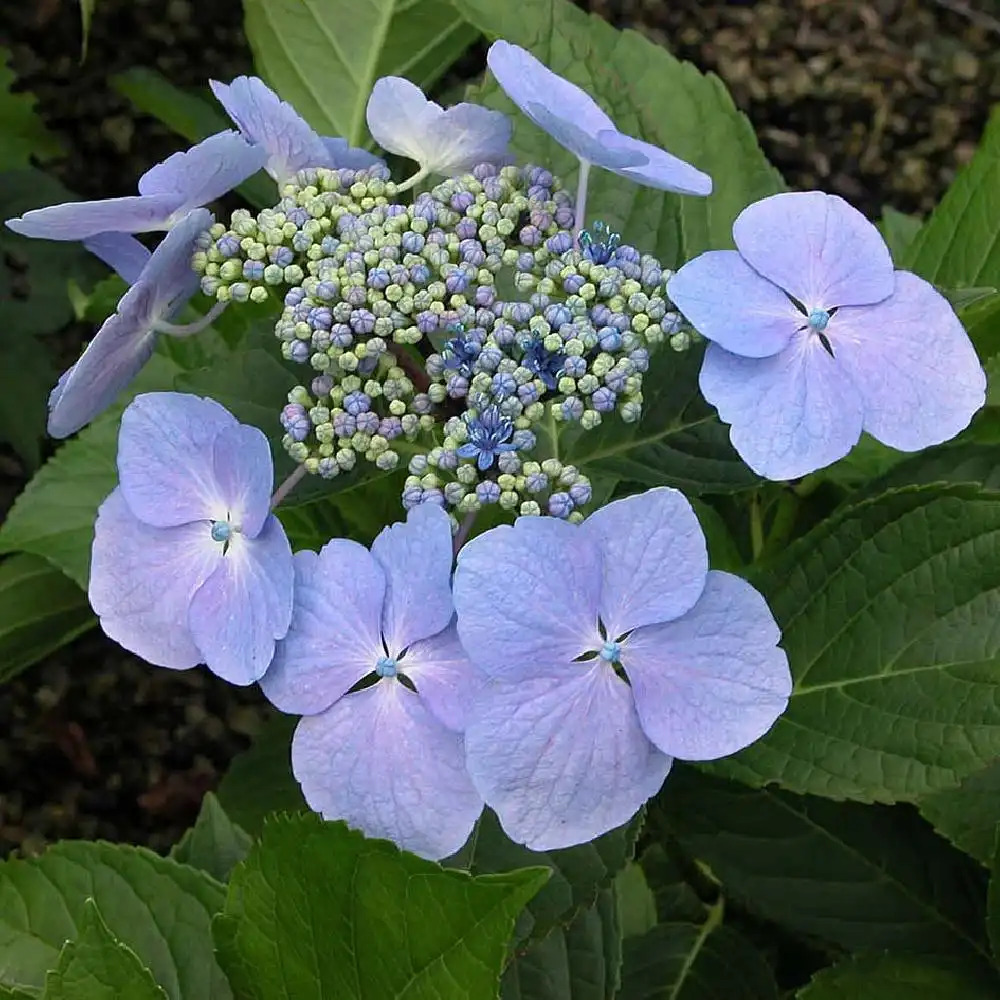
Hydrangea macrophylla Blue Wave is a beautiful lacecap hydrangea that is known for its large, blue flowers. It is a relatively easy plant to grow, but there are a few things you need to do to ensure that it thrives.
In this blog post, we will discuss the following:
- The ideal growing conditions for Hydrangea macrophylla Blue Wave
- How to plant and care for this hydrangea
- How to control pests and diseases
- How to deadhead and prune your hydrangea
Ideal Growing Conditions
Hydrangea macrophylla Blue Wave prefers full sun to partial shade. It does best in moist, well-drained soil that is rich in organic matter. The soil pH should be slightly acidic, between 5.5 and 6.5.
If you live in an area with alkaline soil, you can add sulfur to the soil to lower the pH. You can also add peat moss or pine needles to the soil to help acidify it.
Planting and Care
Hydrangea macrophylla Blue Wave can be planted in the spring or fall. When planting, dig a hole that is twice as wide and as deep as the root ball of the plant. Backfill the hole with the same soil that you removed, and water the plant well.
Hydrangea macrophylla Blue Wave needs to be watered regularly, especially during the first year after planting. Water the plant deeply, so that the water reaches the roots. Water less frequently during the winter months.
Fertilize your hydrangea in the spring and fall with a balanced fertilizer. You can also use an acidifying fertilizer to help keep the soil pH low.
Pests and Diseases
Hydrangea macrophylla Blue Wave is susceptible to a few pests and diseases, including:
- Aphids: Aphids are small, soft-bodied insects that can suck the sap from hydrangea leaves. They can cause the leaves to wilt and curl.
- Scale insects: Scale insects are small, oval insects that attach themselves to hydrangea leaves and stems. They can cause the leaves to yellow and drop.
- Powdery mildew: Powdery mildew is a fungus that causes a white, powdery coating to form on hydrangea leaves. It can weaken the plant and make it more susceptible to other diseases.
If you see any pests or diseases on your hydrangea, you can treat them with an insecticidal soap or neem oil. You can also remove scale insects by hand.
Deadheading and Pruning
Hydrangea macrophylla Blue Wave blooms on old wood, so it is important to deadhead the flowers after they have faded. Deadheading will encourage the plant to produce more flowers.
You can also prune your hydrangea in the spring or fall. Pruning will help to keep the plant healthy and in shape.
Conclusion
Hydrangea macrophylla Blue Wave is a beautiful and relatively easy-to-grow hydrangea. By following the tips in this blog post, you can ensure that your hydrangea thrives and produces stunning blooms year after year.
If you are looking for more information about the beautiful Hydrangea macrophylla Blue Wave, I recommend visiting . This website has a wealth of information about this variety of hydrangea, including its history, care requirements, and propagation methods. You can also find stunning photos of Hydrangea macrophylla Blue Wave in bloom.
The website is written by a team of experienced gardeners who are passionate about hydrangeas. They provide clear and concise information that is easy to understand, even for beginners. The website also includes a forum where you can ask questions and get advice from other hydrangea enthusiasts.
I highly recommend visiting if you are interested in learning more about Hydrangea macrophylla Blue Wave. You won't be disappointed!
FAQ of hydrangea macrophylla blue wave
- What are the best growing conditions for Hydrangea macrophylla Blue Wave?
Hydrangea macrophylla Blue Wave prefers moist but well-drained soil in full sun to partial shade. It is important to protect the plant from cold, drying winds. To promote fresh, new, vigorous growth on established plants, cut back hard in early spring.
- What is the color of Hydrangea macrophylla Blue Wave flowers?
The flowers of Hydrangea macrophylla Blue Wave are typically blue, but the color can vary depending on the soil pH. In acidic soil, the flowers will be bluer, while in alkaline soil, the flowers will be pinker. You can adjust the soil pH to get the desired flower color.
- How big does Hydrangea macrophylla Blue Wave get?
Hydrangea macrophylla Blue Wave can grow up to 6 feet tall and wide. It is a deciduous shrub, so it will lose its leaves in the winter.
- How do I care for Hydrangea macrophylla Blue Wave?
Hydrangea macrophylla Blue Wave is relatively easy to care for. Water the plant regularly, especially during hot, dry weather. Fertilize the plant in the spring and fall with a balanced fertilizer. Deadhead spent flowers to encourage new blooms.
- Is Hydrangea macrophylla Blue Wave poisonous?
Yes, Hydrangea macrophylla Blue Wave is poisonous to humans and animals. The plant contains cyanogenic compounds, which can cause nausea, vomiting, and difficulty breathing if ingested. If you think you or someone you know has ingested Hydrangea macrophylla Blue Wave, call the Poison Control Center immediately.
Image of hydrangea macrophylla blue wave
5 different images of Hydrangea macrophylla Blue Wave from Pinterest:
- Image 1: A full bush of Hydrangea macrophylla Blue Wave in bloom. The flowers are a deep blue color and are arranged in large, rounded clusters. The leaves are dark green and have a slightly glossy appearance.

- Image 2: A close-up of a single flower of Hydrangea macrophylla Blue Wave. The petals are a deep blue color with a white center. The stamen are yellow.
- Image 3: A Hydrangea macrophylla Blue Wave plant in a pot. The plant is about 3 feet tall and has several large flower clusters. The leaves are a dark green color.
- Image 4: A Hydrangea macrophylla Blue Wave plant in a garden setting. The plant is surrounded by other flowers and shrubbery. The flowers are a deep blue color and are in full bloom.
- Image 5: A Hydrangea macrophylla Blue Wave plant in a vase. The flowers are a deep blue color and are arranged in a loose bouquet. The leaves are a dark green color.

Post a Comment for "How To Grow Hydrangea Macrophylla Blue Wave For Stunning Blooms"